The Best Brain Supplement for Women: Which Nutrients to Prioritise
The short version
The best brain supplement for women is not a differently coloured version of the same blend — it is whichever product closes a shortfall you can actually demonstrate. The nutrients where shortfalls are statistically more common in women are iron during the reproductive years, vitamin B12 in certain diets and older age groups, folate for anyone who could become pregnant, and long-chain omega-3 for almost everyone who does not eat oily fish.
- Check before you buy: ferritin and a full blood count answer the iron question properly; guessing does not.
- Topping up is not stacking: a nutrient only helps where a shortfall was holding something back.
- Ignore the packaging cues: pink boxes and the phrase "for her" describe a marketing segment, not a formulation difference.
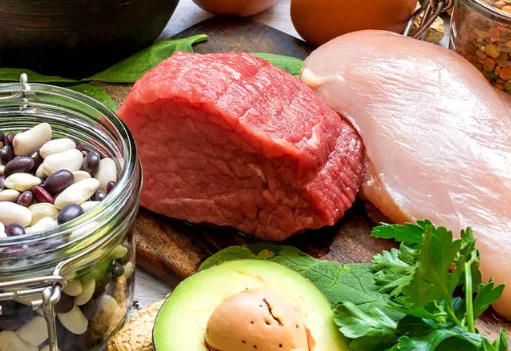
What "best brain supplement for women" should actually mean
Search that phrase and you get two kinds of result. The first is a set of products whose only female-specific feature is the box: same amino acids, same botanicals, softer typeface, sometimes a higher price. The second is a set of listicles that reorder the same ingredients without asking the question that matters.
The useful version of the question is narrower and much more answerable. Are there nutrients whose shortfall is more common in women, which plausibly affect concentration and memory, and which can be checked rather than guessed? There are, and there are not many of them. Everything else in the category applies to everyone equally, or applies to nobody.
That reframing has a practical consequence: the first purchase is often a blood test rather than a bottle. It is a duller recommendation than a nootropic blend, and it is the one with the strongest evidence behind it.
Iron: the shortfall that really is more common
This is the clearest case in the whole article. Menstrual blood loss raises iron requirements, and dietary reference intakes reflect it directly: in the United States the recommended intake for women aged 19 to 50 is 18 mg a day against 8 mg for men of the same age, rising to 27 mg in pregnancy. Iron deficiency is correspondingly more common in women of reproductive age than in men, and it is more common again in people with heavy periods, in endurance athletes, and in those eating little or no meat.
Low iron matters here because tiredness, poor concentration and a foggy, effortful quality of thinking are among the ways it shows up, often long before anaemia appears on a blood count. Ferritin — the stored-iron marker — can be low while haemoglobin is still normal, which is why a full blood count alone can miss it.
The caution is equally important. Iron taken when you are not short of it does nothing useful, commonly causes constipation and stomach upset, and is genuinely risky for the minority of people who store iron too readily, including those with haemochromatosis. High-dose iron is also one of the more common causes of accidental poisoning in young children, so it belongs out of reach. This is a nutrient to take on the strength of a test result, not a hunch.
Vitamin B12 and folate: two different stories
These two get bundled together on labels and they should not be. Their risk profiles are almost opposite.
Vitamin B12 is found in animal foods, so the people most likely to run low are those eating vegan or near-vegan diets. Absorption is the other half of the story: it falls with age as stomach acid production declines, and it is reduced by long-term use of some common medicines, including metformin and acid-suppressing drugs. Because the body stores B12 for years, a shortfall develops slowly and can be well advanced before anything obvious happens. Fatigue, poor concentration and pins and needles are all on the list. Serum B12 is the usual first test, sometimes with additional markers when the result is borderline.
Folate is a different question, and for most people it is not a memory question at all. The reason it appears in every women's supplement is public-health guidance about early pregnancy: anyone who could become pregnant is advised to take 400 micrograms of folic acid daily, because neural tube development happens before most pregnancies are confirmed. That is a recommendation about fetal development, not about your recall, and a formula that implies otherwise is stretching.
One genuine interaction is worth knowing: high folate intake can mask the blood picture of B12 deficiency while the neurological side continues. That is an argument for testing rather than for stacking B vitamins on spec.
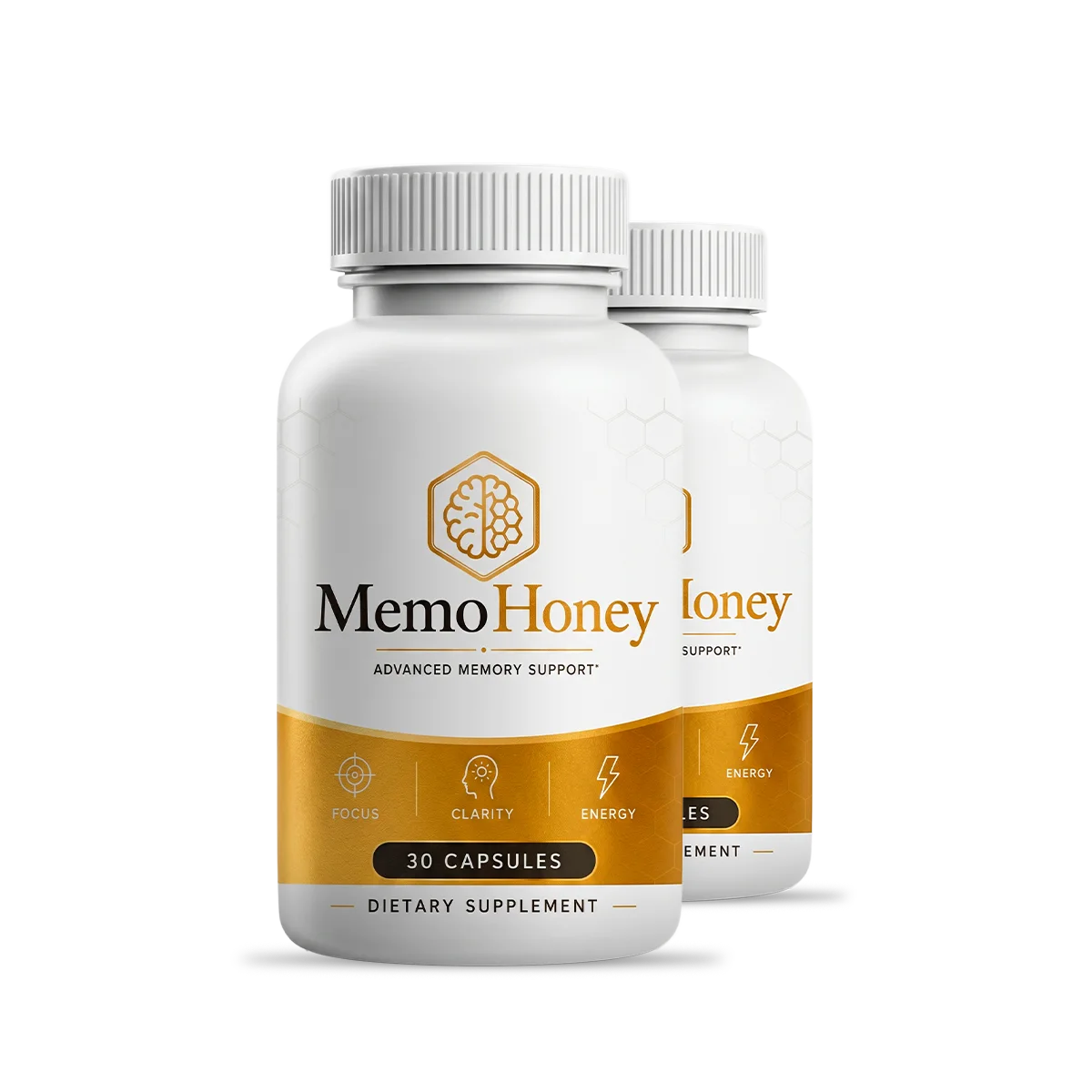
A formula with nothing hidden in it
MemoHoney prints all seven of its label rows with numbers — no proprietary blend, no "for her" premium. If you are still deciding where to buy brain supplements, the current package options, shipping terms and the 60-day guarantee are on the official store.
Get OfferOmega-3: the gap almost everyone has
Long-chain omega-3 fats — EPA and DHA — come mainly from oily fish, and most people in Western countries eat considerably less than dietary guidelines suggest. So the intake gap is real and it is not sex-specific.
What is less clear is what closing it does for cognition in healthy adults. DHA is a major structural fat in brain tissue, which makes the story attractive, but randomised trials of omega-3 supplements in healthy or mildly forgetful adults have produced inconsistent results, and several large ones found no cognitive benefit. The honest summary is that omega-3 is a sensible nutrient to have adequate intake of, and a poor bet as a memory intervention.
Plant sources deserve a note. Walnuts, flaxseed, chia and rapeseed oil supply ALA, which the body converts to EPA and DHA only inefficiently, and the conversion rate is generally reported as low. For people who do not eat fish, an algal oil supplement supplies DHA directly and is the straightforward answer.
How the priorities shift across life stages
The list above is not static, and the shifts are more useful to know than any ingredient ranking.
Reproductive years. Iron sits at the top, particularly with heavy periods. Folate matters for anyone who could become pregnant, for reasons unconnected to memory.
Pregnancy and breastfeeding. Requirements change substantially and several common supplement ingredients are not appropriate. This is explicitly a conversation with a midwife or doctor, and general nootropic formulas are usually labelled as not for use in pregnancy for good reason.
Perimenopause and after. Concentration and word-finding changes are commonly reported during this transition, and disrupted sleep is a large part of the picture. Iron requirements fall once periods stop — the recommended intake drops to 8 mg a day — so continuing a high-iron formula out of habit is a common and avoidable mistake. This is a life stage where sleep, blood pressure and thyroid function are all more productive things to examine than the supplement aisle.
Later years. B12 absorption declines, medication lists lengthen, and the chance that a symptom has a treatable cause rises. The threshold for asking a doctor should fall accordingly.
The nutrients side by side
Here is the whole list in one place, with how each one is actually checked and what taking extra does when you are not short. The last column is the one the marketing never prints.
| Nutrient | Why it comes up for women | How it is checked | If you are not short | Evidence strength for thinking |
|---|---|---|---|---|
| Iron | Menstrual losses; 18 mg/day recommended at ages 19–50 versus 8 mg for men | Ferritin plus a full blood count | No benefit; digestive upset and overload risk in some people | Strong when a shortfall exists, none when it does not |
| Vitamin B12 | Vegan and near-vegan diets; absorption falls with age and some medicines | Serum B12, sometimes with additional markers | Excess is largely excreted; no cognitive bonus | Strong for correction, weak as a general booster |
| Folate | Pregnancy guidance: 400 mcg daily for anyone who could conceive | Serum or red-cell folate | Can mask the blood picture of B12 deficiency | Not a memory nutrient for most adults |
| Omega-3 (EPA and DHA) | Most people eat less oily fish than guidelines suggest | Diet history; blood indices exist but are rarely used | No consistent cognitive gain in trials | Mixed and inconsistent |
| Vitamin D | Low status is common at higher latitudes and with covered skin | Serum 25-hydroxyvitamin D | No cognitive benefit shown; high doses carry their own risks | Weak for cognition specifically |
| Iodine | Thyroid hormone production; intake varies widely by diet and region | Usually assessed at population level, not individually | Too much can disturb thyroid function | Important for thyroid, not a nootropic |
| Magnesium | Popular in sleep and calm formulas | Serum magnesium is a poor guide to body stores | Loose stools at higher doses | Weak and often overstated |
A nutrient only helps the part of your thinking that a shortfall was holding back. Full tanks do not overflow into better memory.
The pink-label problem, and where a general formula fits
Once you know which nutrients actually differ, the marketing becomes easy to read. A "women's" nootropic that contains the same blend as its unisex sibling, with no iron, no B12 and no folate, is a segmentation exercise. If a product genuinely targets these gaps it will say so on the Supplement Facts panel with numbers next to each name — and if it hides its amounts inside a proprietary blend, you cannot check any of this at all. Our guide to reading a Supplement Facts panel is the fastest way to run that test in a shop.
So where does a general memory-support formula sit? MemoHoney is worth describing precisely because it is honest about being a different kind of product. It is one capsule a day with no stimulant, built on L-arginine and L-arginine AKG, L-citrulline HCl and L-citrulline malate, beta-alanine and niacin. It is a vascular formula: the amino acids feed the nitric-oxide pathway, and the niacin at 47% of the Daily Value supports the NAD-dependent energy metabolism that runs underneath everything.
What it is not is an iron, B12 or folate product, and it does not pretend to be. If your real issue is a nutrient shortfall, this formula will not address it, and no amount of searching for the best brain health supplement for memory will change that. Check the gap first; consider a general formula second. And if you are comparing several candidates on value, our method for working out cost per studied dose applies just as cleanly to a multivitamin as to a nootropic.
What none of this can do
The limits here are firmer than in most supplement categories, because the nutrients involved have well-mapped dose-response curves.
None of these products treat, cure or prevent any condition. Iron supplementation corrects iron deficiency under medical guidance; that is a nutritional correction, not a cognitive treatment, and everything else on this page is further from a clinical claim rather than closer to it.
Supplementing without testing is guessing with a receipt. Iron and B12 both have specific tests, both are cheap, and both give an answer that a label cannot.
More is not better past adequacy. These curves flatten and several of them turn down. Iodine and iron in particular have real upper limits.
Some causes of brain fog are not nutritional at all. Thyroid disorders, which are more common in women, sleep apnoea, depression, anxiety, perimenopausal sleep disruption and the side effects of common medicines all produce exactly the symptom people shop for. If your concentration or memory has changed noticeably over weeks or months, see a doctor before you see a shelf.
Read the panel before you decide
Every MemoHoney ingredient and every milligram is transcribed on our main page, with our notes on which amounts sit in a studied range and which do not — alongside current package options and the 60-day guarantee terms.
Get OfferFrequently asked questions
Do women need a different brain supplement from men?
Not a different formula, but often different priorities. The nutrients where shortfalls are statistically more common in women — iron during the reproductive years, and folate for anyone who could become pregnant — are worth checking before any blended nootropic. A pink label on the same powder is marketing, not formulation.
Should I take iron for brain fog?
Not without testing. Low iron is a genuinely common cause of tiredness and poor concentration in women of reproductive age, but iron taken when you are not short of it offers no benefit and can cause digestive side effects, and some people store iron too readily. A ferritin test and a full blood count answer the question properly.
Does omega-3 help memory in healthy women?
The evidence is mixed. Most people eat less oily fish than dietary guidelines suggest, so the intake gap is real, but randomised trials of omega-3 supplements in healthy adults have not produced consistent cognitive benefits. It is a reasonable nutrient to close a dietary gap with, not a reliable memory intervention.
When should I see a doctor instead of buying a supplement?
If concentration or memory has changed noticeably over weeks or months, if you are unusually breathless or exhausted, or if word-finding has become difficult, book an appointment first. Thyroid problems, low iron, sleep apnoea, depression and medication side effects all present this way and none of them are fixed by a supplement.
References
- NIH Office of Dietary Supplements — Iron fact sheet for health professionals.
- NIH Office of Dietary Supplements — Vitamin B12 fact sheet for health professionals.
- NIH Office of Dietary Supplements — Omega-3 fatty acids fact sheet.
- Mayo Clinic — Iron deficiency anemia: symptoms and causes.
- PubMed — randomised trials of omega-3 supplementation and cognition.