Alpha Brain vs MemoHoney: What Actually Differs
Alpha Brain vs MemoHoney: what is the difference?
Both are caffeine-free daily capsules, so the real split is philosophy and transparency. Alpha Brain is a botanical, cholinergic-leaning stack around bacopa, huperzine A, L-theanine and cat's claw, with some amounts tucked inside proprietary blends. MemoHoney is a vascular-and-energy formula on arginine, citrulline, beta-alanine and niacin that prints every dose. If seeing the numbers matters, that is the deciding difference.
- Same on stimulants: both are caffeine-free and can be taken any time of day.
- Different ingredients: herbal cholinergic versus blood-flow and cellular energy.
- The key contrast: hidden proprietary-blend amounts versus a fully disclosed label.

Alpha Brain vs MemoHoney: two stimulant-free stacks, two philosophies
Search for Alpha Brain and you will find one of the most recognisable nootropic names on the market, a caffeine-free capsule that helped define the whole "brain supplement" category. Put it next to MemoHoney and the interesting thing is not that one is obviously better — it is that they represent two genuinely different bets about how a memory supplement should be built. Compare them well and you learn how to read the entire category, not just these two bottles.
Both products agree on one big design choice: no stimulant. Neither leans on caffeine for a felt lift, and both are pitched as daily formulas you judge over weeks. From there they diverge sharply. Alpha Brain is a botanical, choline-system stack — herbs and compounds aimed at the brain's acetylcholine signalling. MemoHoney is a vascular-and-energy formula aimed at blood flow and the cellular machinery that turns food into usable energy. And running underneath the ingredient list is the difference that ends up mattering most to a careful buyer: how much of each product's label you are actually allowed to see.
Before going further, the usual ceiling applies to both. Neither is a medicine, neither cures, treats or prevents any condition, and the measured effects in this category are generally small. This is a comparison of two modest supports, not two cures.
What is in Alpha Brain
Alpha Brain, made by Onnit, is a botanical-forward stack, and it is caffeine-free by design. Its best-known components are bacopa monnieri, a herb studied over roughly eight to twelve weeks for delayed word recall; huperzine A, a compound derived from a club moss that affects acetylcholine; L-theanine, the calming amino acid usually associated with tea; and cat's claw (marketed as AC-11). It also includes amino acids such as L-tyrosine and L-leucine, oat straw extract, phosphatidylserine and pterostilbene, depending on the version.
The philosophy is coherent: several of these ingredients point, one way or another, at the cholinergic system and at a calm-but-alert subjective state. The catch is in the presentation. Onnit organises many of these ingredients into proprietary blends — grouped names under a single combined weight — so while some standalone amounts are disclosed, the individual doses of the ingredients inside those blends are not visible on the label. You can see the roster; you cannot always see the portions.
What is in MemoHoney
MemoHoney makes the opposite structural choice. It is built on six named ingredients — L-arginine and L-arginine AKG, L-citrulline HCl and L-citrulline malate, beta-alanine and niacin — and it is also caffeine-free. Rather than the cholinergic herbs of Alpha Brain, its logic runs through nitric-oxide precursors (the arginine and citrulline), which are better known from the blood-flow and exercise literature, plus niacin feeding the NAD your cells use for energy metabolism.
The amounts are mixed, and we say so plainly: the niacin, at 47% of the Daily Value, sits in a meaningful range; the arginine and citrulline totals are real but below the gram-scale doses used in most published trials; and the beta-alanine is a trace against research measured in grams. What MemoHoney does have, unambiguously, is a fully printed panel — every ingredient carries its own number and there is no proprietary blend anywhere on it. That single fact is the crux of the comparison, and it is worth its own section.
The proprietary-blend transparency problem
This is the difference that outlasts any argument about which herb is trendier. A proprietary blend is a group of ingredients listed together under one combined weight, without a breakdown of how much of each is inside. It is legal, it is common, and it is not automatically sinister — but it is a problem for anyone trying to buy on evidence.
Here is why. The whole point of checking a label is to compare the amount in the bottle against the amount used in the research. A blend makes that impossible. A formula could list an impressive, well-studied ingredient right on the front, then include a token, sub-effective amount of it inside a blend, and you would have no way to tell the difference from the label. The name does the persuading; the hidden number does the disappointing. Blends shift your trust from what you can verify to what you are told, which is exactly the wrong direction. Our guide to reading a Supplement Facts panel like a buyer walks through how to spot a blend and what it hides.
A named ingredient sells the bottle; a printed number lets you check it. A proprietary blend gives you the first without the second — a fully disclosed label gives you both.
To be fair to Alpha Brain, transparency is not the only thing that matters, and a disclosed label is not a guarantee the doses are high — MemoHoney itself has amounts that are only a trace, and it discloses them precisely so you can see that. The point is not that disclosure equals quality. The point is that disclosure is the precondition for you to judge quality at all, and only one of these two designs gives it to you across the whole label.
Compare the amounts, not the marketing
MemoHoney's full Supplement Facts panel is transcribed on our main page — every ingredient, every milligram, no proprietary blend — with a plain note on which amounts sit in a studied range, today's official-store pricing and the 60-day money-back guarantee. See exactly what you would be taking.
Get OfferDoes Alpha Brain contain caffeine?
No — and this is a point where the two products actually agree. Alpha Brain is deliberately caffeine-free and stimulant-free, which is part of its appeal: it can be taken later in the day without the risk of a stimulant costing you the sleep that consolidates memory. MemoHoney is likewise caffeine-free. So if you were hoping one of these would give you a pre-exam jolt, neither is that product, and neither is trying to be. The absence of a stimulant is a shared feature, not a differentiator, which is why the meaningful comparison lives in the ingredient philosophy and the label design rather than in a felt kick.
Ingredient philosophy: herbal cholinergic versus vascular energy
Strip away the branding and you have two distinct theories of how to support memory, and it is worth understanding both rather than picking a team.

Alpha Brain's bet is cholinergic and botanical. Bacopa is the most evidence-backed piece, with a slow, modest signal on recall over months; huperzine A works on acetylcholine and is pharmacologically active enough that it is not something to take casually or indefinitely without thought; L-theanine contributes the calm-alert feel. It is a plausible, herb-led theory with the caveat that the proprietary blends make the individual doses hard to verify.
MemoHoney's bet is vascular and metabolic. Arginine and citrulline are nitric-oxide precursors best documented for blood flow; niacin supports energy metabolism. It is a different mechanism entirely, with the honest caveat that its arginine and citrulline amounts sit below the gram-scale doses that the circulation research typically uses. Neither theory is a proven memory booster in healthy adults; both are reasonable, modest supports with real evidence gaps. If you want the wider landscape, our overview of which memory pills have real evidence behind them puts both philosophies in context.
Where the evidence is strongest — and weakest — for each
Transparency tells you what is in a bottle; it does not tell you whether those ingredients work. So it is worth being even-handed about the underlying evidence, because both stacks have genuine strengths and genuine gaps, and neither deserves a free pass.
Alpha Brain's strongest card is bacopa monnieri, which has the most substantial research base of any ingredient in either product — a slow, modest signal on delayed recall in trials that typically run eight to twelve weeks. That is a real, if unglamorous, foundation. Its weaker points are the compounds studied far less rigorously in this context, and huperzine A, which is pharmacologically active enough that casual, open-ended use is not something to shrug at. Layered on top is the recurring frustration that the proprietary blends stop you from knowing whether the bacopa inside is dosed anywhere near the studied amount, which blunts the value of that strong card.
MemoHoney's strongest card is disclosure paired with a genuinely dosed niacin, which at 47% of the Daily Value sits in a range that plausibly contributes to normal energy metabolism. Its weaker points are the ones we have named without flinching: the arginine and citrulline totals fall below the gram-scale amounts used in most circulation studies, and the beta-alanine is a trace. The difference is that you can see all of this on the label and weigh it, rather than having to trust a blend. In other words, the honest summary is symmetrical — both products are modest, both have thin spots, and the deciding advantage is whether you are allowed to audit those thin spots yourself.
If either product interests you, the responsible next step is the same one that applies to any supplement in this space: read the panel, compare each amount to the studied dose, and refuse to let a familiar ingredient name stand in for a verified quantity.
How to choose between them
Rather than crown a winner, match the product to what you actually value. There is no single right answer here, only a right answer for your priorities and your circumstances.
- If full dose transparency is your priority, MemoHoney's fully printed, blend-free panel is the more buyer-friendly design, because you can check every amount against the research yourself.
- If you specifically want the classic botanical, cholinergic stack — bacopa, huperzine A, L-theanine — Alpha Brain is the more established version of that idea, provided you accept that some doses live inside blends you cannot see.
- If you take medication or have a health condition, the honest move is to talk to a clinician before either — huperzine A in particular is pharmacologically active, and any new supplement deserves that check.
- Whichever you lean toward, plan a consistent eight-to-twelve-week trial, confirm the money-back window first, and buy from the official store to avoid counterfeits.
The single most transferable lesson from putting Alpha Brain and MemoHoney side by side is not about either brand. It is that a label you can fully read beats a label you cannot, every time, and that the name on the front of a bottle is a marketing decision while the number beside it is the only thing you can actually verify.
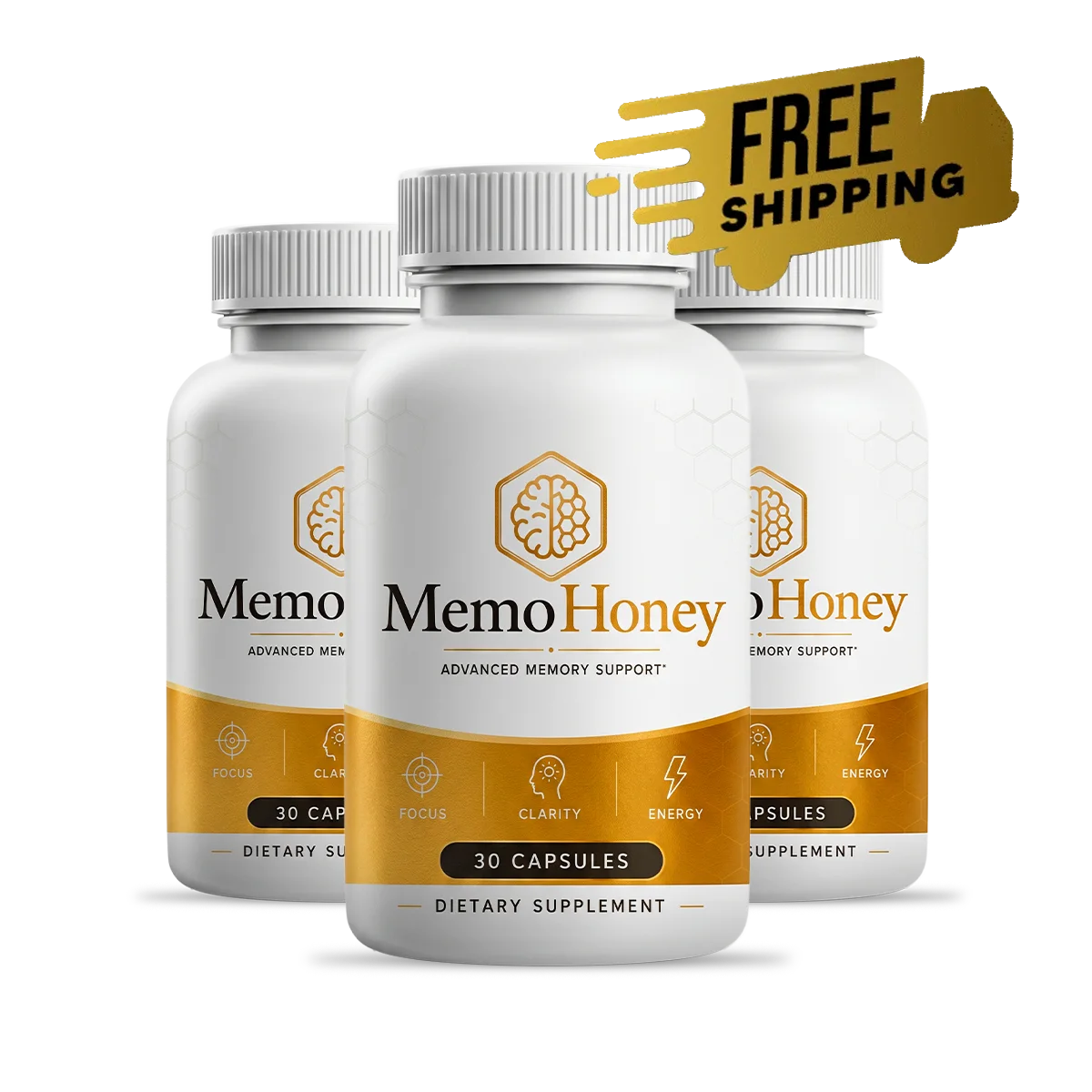
A fully disclosed, stimulant-free label
MemoHoney prints every ingredient and every amount — no proprietary blend, no caffeine. It is all transcribed on our main page next to the current official-store pricing and the 60-day money-back guarantee, so you can decide on the numbers.
Get OfferFrequently asked questions
Alpha Brain vs MemoHoney — which should I pick?
It depends on which you value more: a herbal cholinergic approach or a fully transparent label. Alpha Brain is a caffeine-free botanical stack built around bacopa, huperzine A, L-theanine and cat's claw, but several of its amounts sit inside proprietary blends you cannot see. MemoHoney takes a different, vascular-and-energy approach on arginine, citrulline, beta-alanine and niacin, and prints every amount. If dose transparency matters most to you, that is the clearest point of difference between them.
Does Alpha Brain contain caffeine?
No. Alpha Brain is marketed as a caffeine-free, stimulant-free nootropic, which is deliberate — it is designed to be taken at any time of day, including later on, without affecting sleep. MemoHoney is also caffeine-free. So on the specific question of stimulants the two are alike; the real differences are in their ingredient philosophy and in how openly each one discloses its doses.
Why are proprietary blends a problem?
A proprietary blend lists several ingredients under one combined weight without telling you how much of each is inside. That makes it impossible to compare a product's amounts against the doses used in research, so an impressive-sounding ingredient could be present in a token amount and you would never know. Blends are legal and not automatically bad, but they shift trust from evidence to marketing, which is exactly the wrong direction for a careful buyer.
Are the ingredient doses disclosed?
This is the sharpest contrast between the two. MemoHoney prints a specific number beside every ingredient, with no proprietary blend, so you can check each amount yourself. Alpha Brain discloses some standalone amounts but groups other ingredients into proprietary blends, so the individual doses within those blends are not visible. If your priority is being able to verify what you are actually taking, full disclosure is the more buyer-friendly design.
References
- NIH Office of Dietary Supplements — Dietary supplement fact sheets.
- National Center for Complementary and Integrative Health (NIH) — Dietary and Herbal Supplements.
- U.S. FDA — Dietary Supplement Labeling Guide (proprietary blends).
- Federal Trade Commission — Health Products Compliance Guidance.
- PubMed — published literature on bacopa monnieri and cognition.