Memory Pills That Work: An Evidence Check
Do memory pills actually work?
Some do a little; many do nothing measurable. No pill restores lost memories or acts within an hour. The best-supported ingredients — bacopa monnieri, citicoline and omega-3 DHA — show small, real signals over weeks to months. Treat any memory pill as a marginal helper stacked on sleep, exercise and diet, never a replacement for them.
- Real signal, modest size: bacopa, citicoline and omega-3 have data; ginkgo and huperzine are mixed.
- Weeks, not hours: the trials that show anything measure gains over 8–12 weeks, not one dose.
- Foundations first: sleep and exercise move memory more than any pill on the shelf.

What people mean by “memory pills” — and the honest ceiling
Around 4,400 people a month type memory pills into a search box, and almost all of them are hoping for the same thing: a capsule that makes recall sharper, names stickier and that walked-into-a-room-and-forgot-why moment rarer. It is a completely reasonable wish. It is also where the supplement industry does its most enthusiastic exaggerating, so the first job of an evidence check is to draw a hard line around what a memory pill can and cannot be.
Here is the ceiling, stated plainly. No memory pill restores memories that are already gone. None reverses a diagnosed condition — supplements are not medicines, and nothing on this page is intended to diagnose, treat, cure or prevent any disease. And none works like caffeine, where you feel the effect the same afternoon. Memory is built by attention, sleep and repetition, and the ingredients with any evidence behind them work by supporting the machinery underneath that process, gradually. When you accept that ceiling, the useful question stops being “which pill fixes my memory?” and becomes “which ingredients have real data, how big is the effect, and how long does it take?” That is a question with honest answers, and the rest of this article works through them.
One more framing point, because it saves money. The best-supported ingredients tend to help most in people who were short of something to begin with — low omega-3 intake, poor sleep, a nutrient gap. If your foundations are already solid, the marginal capsule does less. A memory pill is a top-up, not a transplant.
The ingredients with real signal: bacopa, citicoline and omega-3
Strip away the proprietary blends and the invented trademark names, and a short list of ingredients keeps showing up in the actual research. These three are the ones worth knowing.
Bacopa monnieri. This is the closest thing the category has to a genuine memory ingredient. Multiple randomised trials have found that standardised bacopa improves aspects of memory — particularly the recall of newly learned information — in healthy adults. The two catches are the ones the marketing skips. First, it is slow: the trials that show a benefit typically run 8 to 12 weeks, because bacopa appears to work cumulatively rather than acutely. Second, the effect is modest, not miraculous. If you want the full timeline and why patience is non-negotiable, our detailed guide on the bacopa monnieri memory timeline of 8 to 12 weeks lays it out dose by dose.
Citicoline (CDP-choline). Citicoline is a choline source studied for attention and memory support, and it is one of the better-tolerated options with reasonable human data behind it. It is not a blockbuster — the effects reported are again modest — but it earns its place on the “has signal” list rather than the “has a good story” list, which is more than most ingredients can say.
Omega-3 DHA. DHA is a structural fat that makes up a large share of your brain-cell membranes, so it belongs in any serious memory conversation — but with an important nuance. Its clearest value is correcting a genuinely low intake, not stacking ever-higher doses on top of an already-good diet. The full dose-and-nuance picture is in our companion piece on omega-3 brain health and the DHA dose, explained. Together these three are the honest core of “memory pills that work”: real data, modest effects, and a strong bias toward helping people who were short to start with.
Judge any memory pill by its label, not its promise
The only number that matters is whether an ingredient is present at a studied dose. MemoHoney's full formula and amounts are transcribed on our main page — every milligram, no proprietary blend — next to today's official pricing and the 60-day money-back guarantee, so you can weigh it the same evidence-first way this article weighs everything else.
Get OfferThe mixed bag: ginkgo biloba and huperzine A
Two ingredients dominate the marketing but sit on genuinely shaky evidence, and it is worth being even-handed about why.
Ginkgo biloba is the most famous “memory herb” in the world, which is exactly why its thin results are so instructive. Large, well-run trials in healthy older adults have largely failed to show that ginkgo prevents cognitive decline or meaningfully sharpens memory. Some smaller studies report something; the big rigorous ones mostly do not. Ginkgo also carries a specific caution — a mild blood-thinning effect — that makes it a poor casual choice for anyone on anticoagulant medication.
Huperzine A is a compound that inhibits the breakdown of acetylcholine, a neurotransmitter involved in memory. That mechanism sounds precise and appealing, and there are some short studies, but the evidence base is small, the quality is uneven, and it is a pharmacologically active substance that can interact with medications — not the low-stakes botanical it is often sold as. The lesson from both is the same: a compelling mechanism and a familiar name are not evidence. This is precisely the trap our explainer on what nootropics actually are and are not is written to help you avoid.
A famous name and a neat mechanism are not the same as a result. Ginkgo is the category's best reminder that “everyone has heard of it” and “it works” are different claims.
Why sleep and exercise beat any memory pill
If this article does one useful thing, let it be this: the highest-leverage memory interventions are free, and no capsule out-performs them. Sleep is when the brain consolidates the day's learning into durable memory; chronic short sleep degrades recall more reliably than any pill improves it. Aerobic exercise has some of the most consistent evidence in the entire field for supporting cognition across a lifespan. And a broadly good diet supplies the raw materials — including the omega-3 fats above — that every one of these ingredients is trying to top up in pill form.
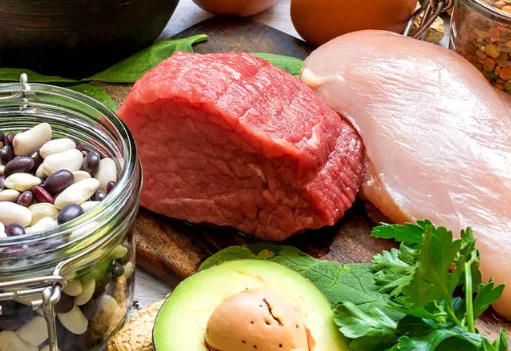
This is not a throwaway wellness platitude; it is the reason so many people feel let down by memory pills. They buy a capsule while sleeping six hours and barely moving, feel nothing, and conclude the whole category is a scam. In reality they skipped the two interventions that would actually have moved the needle and then blamed the least powerful one. Fix the base first. A supplement layered on top of solid sleep and regular movement has a fair chance of adding a little; the same supplement layered on top of a wrecked foundation has almost none.
Setting realistic expectations: modest gains, measured in weeks
What does “it works” actually look like when it does? Smaller and slower than the ads imply. In the trials that show a positive result, the effect sizes are modest — a somewhat better recall score, a little more consistency on a memory task — and they emerge over weeks of daily use, not on day one. That is not a disappointment; it is what an honest, non-drug intervention should look like. The dramatic, instant, guaranteed transformations promised on the loudest sales pages are the single least believable feature of those pages.
Set your expectations accordingly and you will judge any product fairly: give it the studied dose, give it the studied time, keep your sleep and movement steady so you are actually testing the pill and not your habits, and then decide. If you are comparing several products before you commit, our walkthrough on how to compare the best brain supplements in 2026 gives you a repeatable checklist for doing exactly that.
Where a formula like MemoHoney fits
Time for the honest self-placement, because this is a MemoHoney site and pretending otherwise would undercut the whole point. MemoHoney is a stimulant-free, once-daily supplement built on L-arginine and L-arginine AKG, L-citrulline HCl and L-citrulline malate, beta-alanine and niacin. Read that list against this article and one thing is obvious: it is not a bacopa-and-citicoline “memory pill” in the classic sense. Its ingredients sit on the blood-flow and cellular-energy side of things rather than on the acetylcholine-and-recall side, so we are not going to pretend it is the very ingredient the memory literature is strongest on. It is not.
What we can do is tell you exactly what is on its label, at what amount, with no proprietary blend to hide behind — which is more transparency than most memory pills offer, and precisely the standard this article asks you to hold every product to. If a well-formulated daily supplement fits your routine, MemoHoney's full panel, current pricing and guarantee are all laid out on the main page for you to judge on the evidence. And if, after reading this, your honest conclusion is that better sleep plus a fish dinner twice a week would help your memory more than any capsule — that is a conclusion we respect, because it happens to be correct.
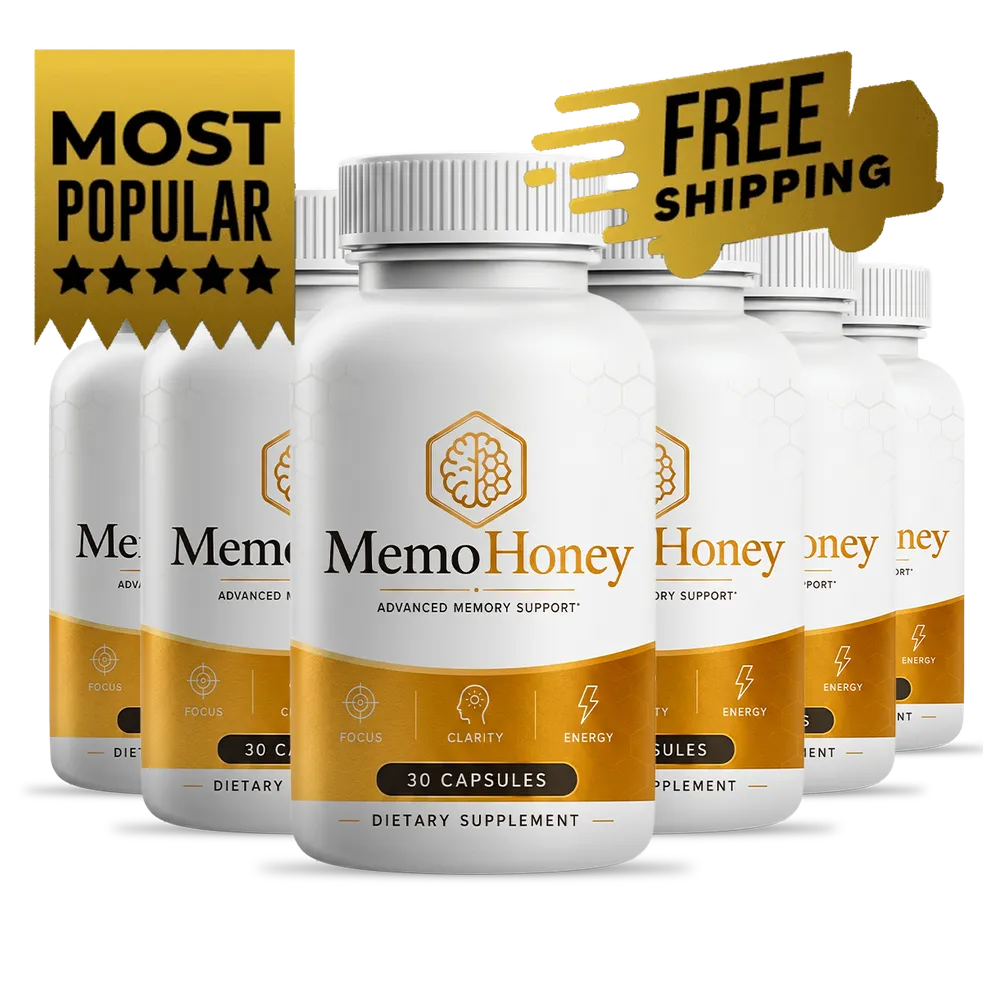
A fully disclosed daily formula — no blend, no hype
MemoHoney is one capsule a day, stimulant-free, with every ingredient and amount printed on the label and transcribed on our main page — alongside the current official-store pricing and the 60-day money-back guarantee. Weigh it on the numbers, exactly as this article recommends.
Get OfferFrequently asked questions
Do memory pills actually work?
Some ingredients in memory pills have real, if modest, data behind them, and some are mostly marketing. No pill restores memories that are already lost, and none acts like a switch you feel in an hour. The most defensible ingredients — bacopa monnieri, citicoline and omega-3 DHA — show measurable but small signals in trials, usually over weeks to months. The honest framing is that a good memory supplement is a marginal helper on top of sleep, exercise and diet, not a substitute for them.
What's the most evidence-based memory pill?
There is no single winner, but three ingredients have the strongest and most consistent evidence for memory and cognition: bacopa monnieri, which has repeatedly improved memory recall in trials but takes 8 to 12 weeks; citicoline, studied for attention and memory support; and omega-3 DHA, a structural brain fat that matters most when your intake is low. Ginkgo biloba and huperzine A are far more mixed. Whichever you choose, the studied dose on the label matters more than the name on the front.
Are memory pills safe long term?
Most well-studied memory ingredients have a good short-to-medium-term safety record at label doses, but genuine long-term data in healthy people is thinner than the marketing implies, and individual ingredients carry specific cautions — ginkgo's mild blood-thinning effect being the best known. Safety also depends on interactions with any medication you take. Treat a memory supplement as something to review with your doctor if you are on prescription drugs, pregnant or breastfeeding, rather than assuming indefinite use is automatically fine.
What can I realistically expect?
Expect small, gradual and easy-to-miss gains, not a transformation. In the trials that show anything, the effect sizes are modest — a slightly better recall score, a little more consistency — and they emerge over weeks, not on the first afternoon. The people most likely to notice a difference are those correcting a genuine shortfall, such as a low omega-3 intake. If a product promises dramatic, fast, guaranteed memory boosts, that promise is the least believable thing about it.
References
- National Center for Complementary and Integrative Health (NIH) — Ginkgo.
- PubMed — Bacopa monnieri and human memory: systematic review evidence.
- NIH Office of Dietary Supplements — Omega-3 Fatty Acids fact sheet.
- Harvard Health Publishing — Exercise can boost your memory and thinking skills.
- National Institute on Aging (NIH) — Cognitive Health and Older Adults.