MemoHoney Official Website › Articles › Lot and certificate records
Lot and certificate recordsWhat a Lot Reference Can Track, and What It Cannot Prove
A lot reference can identify a production run. It is not a laboratory result, a personal safety assessment, or proof of a clinical outcome.
A lot reference identifies a production run
The lot shown on this MemoHoney site is MEM-26/ME-7435. A lot is a production-run identifier: a short reference that lets a seller or manufacturer distinguish one blend and filling run from another. It is valuable because it creates traceability. It is not valuable because the characters themselves reveal the composition of a capsule.
In a well-kept production record, the lot connects raw-material receipts, blending notes, bottling activity, packaging details and any relevant quality records. A buyer usually sees only the identifier. That is normal. The useful question is whether the seller can recognize the reference and explain what record it points toward, not whether a string on a page can be treated as a laboratory result.
The site also shows certificate reference MEM-7435-26-ME. That is a filing reference, not the underlying certificate. A reference can help request the corresponding document, but it does not disclose an assay value, a passing result or the test method. The difference between a label on a file and the contents of a file is important.
| Record | What it can identify | What it cannot prove alone |
|---|---|---|
| Lot MEM-26/ME-7435 | A production run | Ingredient amount, purity or benefit |
| Certificate reference MEM-7435-26-ME | A filing reference | The contents of an unreleased certificate |
| Order ID | A specific purchase | Batch quality or formula testing |
| Product photo | What a buyer received | An assay, dose or personal suitability |
Traceability can make a service question easier to investigate. It does not create laboratory or clinical evidence that was not supplied.
Traceability is narrower than proof of quality
A traceable product is easier to investigate if a specific problem emerges. A buyer can report a lot reference with an order ID, and the seller can narrow the question to a particular run. That is the practical benefit. It is about locating records and inventory rather than promising that no defect or mistake could ever occur.
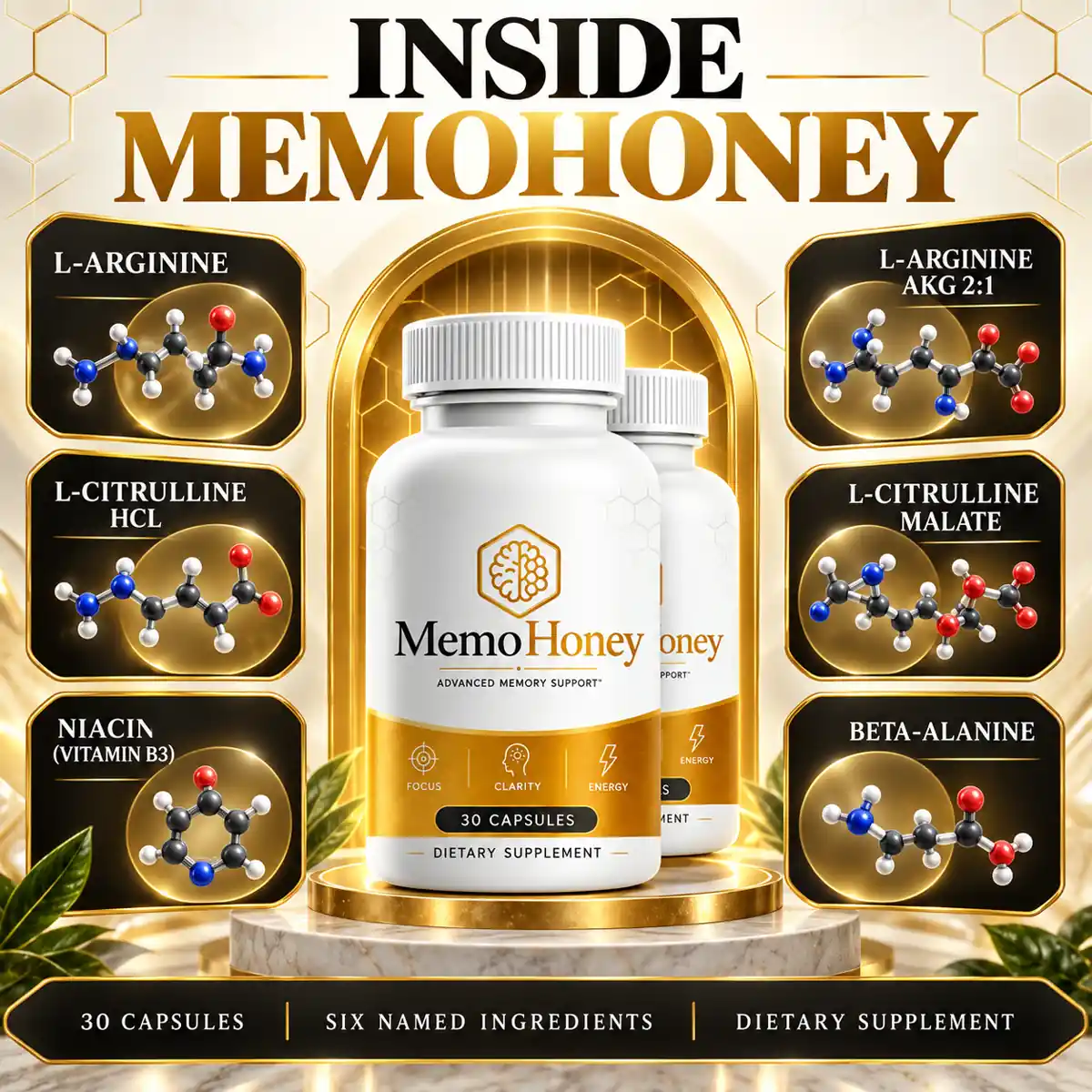
Quality is a broader question. It may involve ingredient identity, amount, contaminants, process controls, stability and the release criteria used for a batch. The supplied MemoHoney artwork names six ingredients and does not display a Supplement Facts panel, a batch assay or a certificate. The lot number does not fill in those missing documents.
Giving a lot number its proper but narrow credit is more useful than treating it as decoration or proof. It gives a buyer a concrete way to describe the bottle in hand. It does not let the buyer verify unprinted amounts, recreate the manufacturer's quality system, or conclude that an individual capsule will produce a particular health result.
The lot and the order ID track different paths
A lot reference follows a product run. An order ID follows a transaction. If a bottle looks damaged, differs from what was expected, or is part of a service question, both references may be useful: one identifies the item and the other identifies who bought it, when, and through which order route.
Neither reference should be asked to do the other job. A lot does not prove a purchaser's payment or return eligibility. An order ID does not establish what was tested in the batch. Pairing them in a clear service message lets the relevant desk find the right records without inventing an answer to a question that the available details do not settle.
Save a photo of the visible lot, the product label and the order confirmation if a service issue arises. The photo preserves what was received. The confirmation preserves the transaction date. The two records make a return, shipping or replacement conversation easier to trace, but they remain administrative evidence rather than clinical evidence.
Ask for the record that answers the real question
If a buyer wants to know which run shipped, the lot reference is the right starting point. If a buyer wants to know how to return an order, the order ID and current service instruction are the right starting points. If a buyer wants to know the amount of a named ingredient, the necessary record would be a Supplement Facts panel or a released product specification, neither of which can be reconstructed from the lot alone.
The same precision helps with food-restriction and manufacturing questions. A badge, a lot code and a product image may provide pieces of context, but a strict dietary requirement may need a particular material statement or testing detail. Ask the seller the exact question before purchase and keep the written answer if it changes the decision.
Specific questions also make it easier to recognize a missing answer. A broad reassurance is not the same as a documented amount, a testing method or an unambiguous return instruction. A buyer can decide that the available answer is enough, or decide it is not. Either decision is clearer when the requested record and the response are kept together.
The label limit remains the label limit
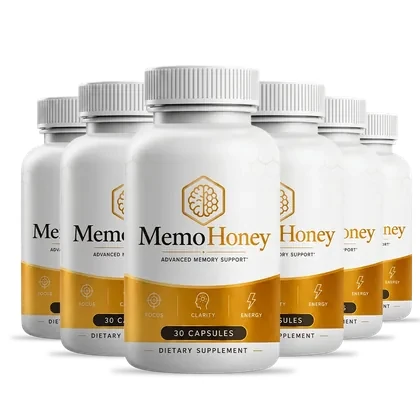
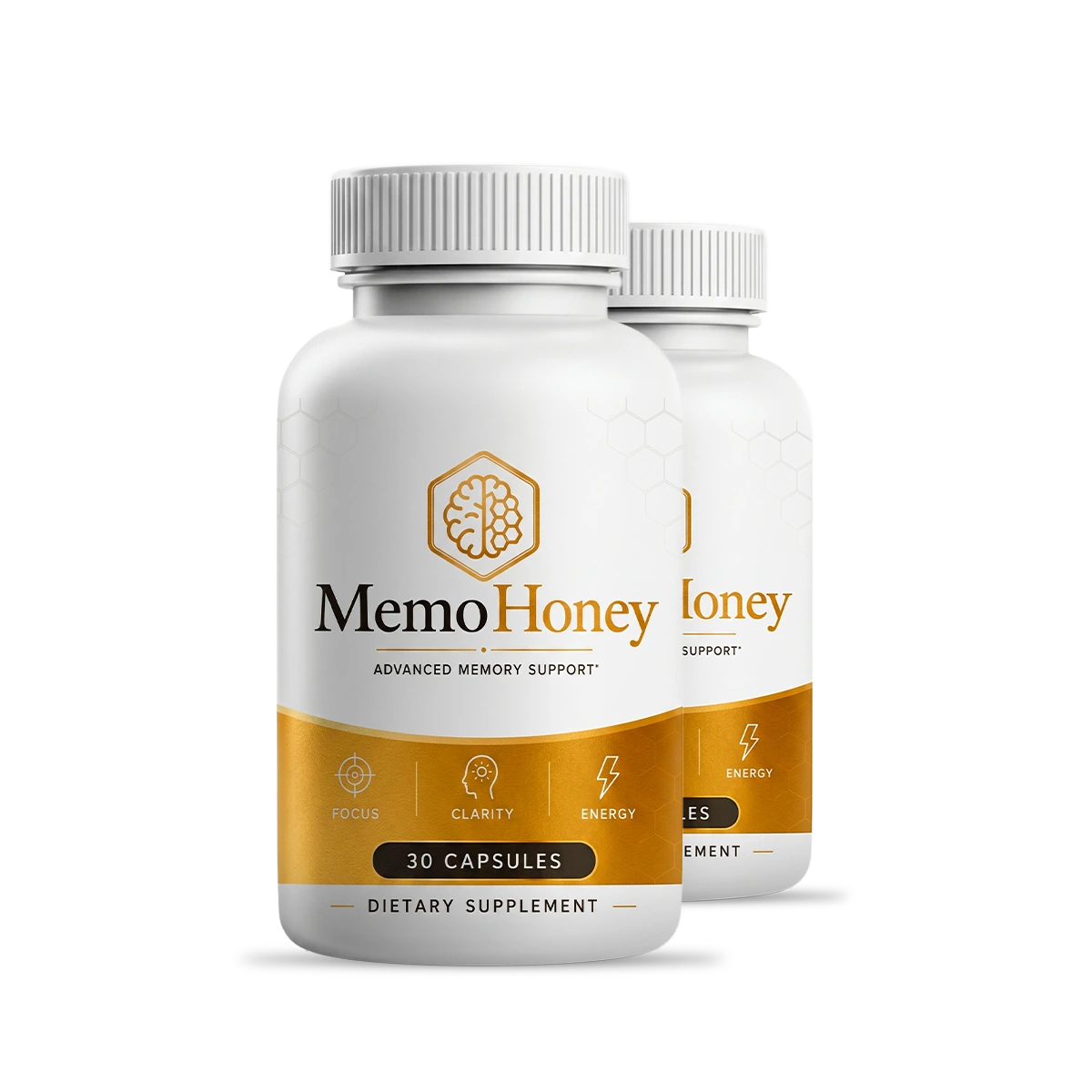
The front of the supplied material identifies MemoHoney as Advanced Memory Support, with Focus, Clarity and Energy on the label and six named ingredients in the accompanying artwork. These are the product statements available from the pack. They do not demonstrate that the formula has been clinically tested for memory, or that the mixture has a known dose matching the individual studies in the reference list.
A lot reference does not lift that limit. It may support traceability to a production record, but it cannot change what the public label discloses. The ingredients page keeps the named substances distinct from the published work on individual ingredients, while testing and quality explains what records this site has not been supplied.
This separation is more honest than making the identifier carry the weight of an assay or trial. Buyers can value a lot code as a practical service detail and still recognize that a supplement label, an evidence summary and a personal health decision require different kinds of information.
Service records do not answer health questions
A customer-service team can help trace a shipment, order, refund request or packaging question. It cannot determine whether the product is suitable for someone taking a medicine, having a reaction, or noticing a change in memory. The appropriate contact depends on the nature of the question, not on whether a lot number appears on the bottle.
For health questions, take the complete ingredient list to a pharmacist or clinician. This is especially important for someone taking nitrates, blood-pressure medicines, blood thinners or PDE5 inhibitors, or for anyone who is pregnant, nursing, under 18, or managing a condition. A packaging identifier cannot consider those individual facts.
For a service question, retain the lot, order ID, purchase date and current instruction. This modest split protects the buyer in both directions: the transaction is documented, and the health issue is not delayed while a retail team is asked to provide advice outside its role.
Check the MemoHoney record before ordering
The bottle count, six named ingredients, purchase-date guarantee, and the questions the supplied record leaves open.
Two bottles $158 · six bottles $294 · 60-day money-back guarantee
Order MemoHoney From This CounterLot MEM-26/ME-7435 · one a day, 30 to a bottle · ships from the United States
The decision this record can support
A product image, a label, a seller page, a lot reference, an order email and a research paper are not interchangeable records. Each is useful within a boundary. The label can say what it prints. The seller page can state its terms. A lot reference can identify a production run. An order email can identify a purchase. A study can report the dose, people and outcome it actually examined. None should silently be promoted into a different kind of evidence.
That boundary makes an ordinary negative decision possible. If a missing quantity, testing document, dietary detail or service condition would decide the purchase, leaving the product unpurchased is a careful outcome. It does not require calling the product good or bad. It simply recognises that the supplied record has not settled the question the buyer needs answered before the clock begins.
After purchase, the same sorting keeps questions with the right people. Save the product and order records for a service issue. Take medicine interactions, reactions, worsening memory or a change noticed by others to a pharmacist or clinician. A return process is not a health assessment, and an order desk cannot provide individual clinical advice.
This is intentionally a modest standard. Read the literal claim, preserve the source that carries it, ask the next precise question, and let uncertainty remain uncertainty when no supporting record is supplied. That is more useful to a buyer than a stronger-sounding conclusion that the bottle, the receipt or the research does not actually justify.
MemoHoney is a dietary supplement and not a treatment. Nothing here is medical advice. Memory that has changed in a way you or the people around you have noticed deserves an assessment rather than a purchase, and MedlinePlus sets out what is worth reporting.
- Questions and Answers on Dietary Supplements. U.S. Food and Drug Administration. https://www.fda.gov/food/information-consumers-using-dietary-supplements/questions-and-answers-dietary-supplements
- Using Dietary Supplements Wisely. National Center for Complementary and Integrative Health, National Institutes of Health. https://www.nccih.nih.gov/health/using-dietary-supplements-wisely
- Memory. MedlinePlus, U.S. National Library of Medicine. https://medlineplus.gov/memory.html
- Dolan E, Swinton PA, Painelli VS, et al. A Systematic Risk Assessment and Meta-Analysis on the Use of Oral β-Alanine Supplementation. Adv Nutr. 2019;10(3):452-463. PMID 30980076. https://pubmed.ncbi.nlm.nih.gov/30980076/
- Khalaf D, Krüger M, Wehland M, et al. The Effects of Oral l-Arginine and l-Citrulline Supplementation on Blood Pressure. Nutrients. 2019;11(7):1679. PMID 31336573. https://pubmed.ncbi.nlm.nih.gov/31336573/