Brain Supplement Side Effects: What to Watch
Do brain supplements have side effects?
Yes. Most are mild — an occasional headache, nausea or stomach upset — but a few interactions are serious. Ginkgo and phosphatidylserine have mild blood-thinning effects that matter with anticoagulants; huperzine A can interact with psychiatric and cholinergic medications. Anyone on prescription drugs, pregnant or breastfeeding, should clear a brain supplement with their doctor first.
- Bleeding risk: ginkgo, high-dose fish oil and phosphatidylserine can add to blood thinners.
- Medication interactions: huperzine A and vasodilators like L-arginine deserve a doctor's review.
- Higher-risk groups: pregnancy, breastfeeding, pre-surgery and children — default to avoiding without guidance.
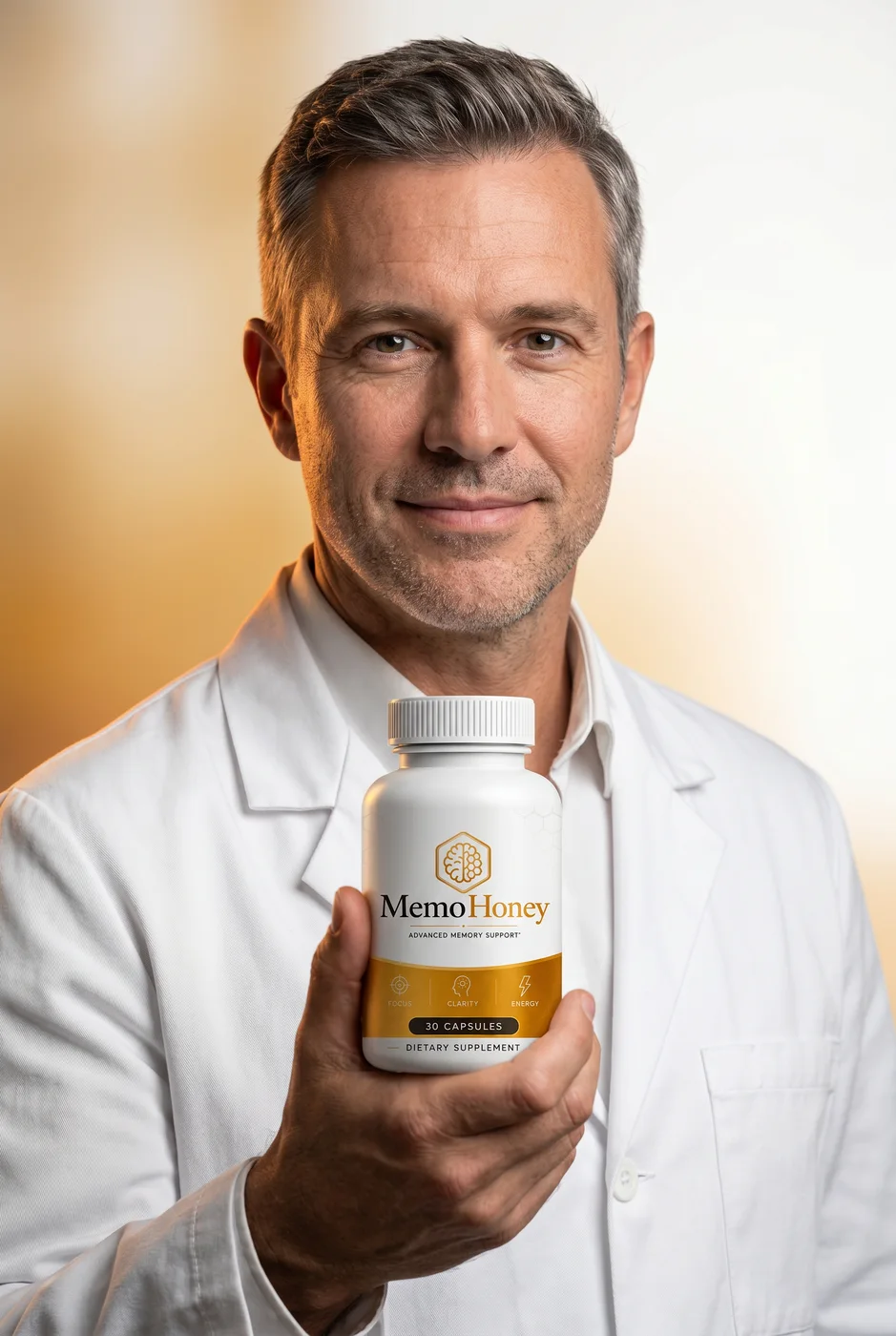
Do brain supplements have side effects? The honest answer
Search brain supplement side effects and you will find two unhelpful extremes: sales pages insisting their formula is “100% natural with zero side effects,” and scare pieces implying every nootropic is a hidden hazard. The truth sits calmly in between, and knowing it before you buy is the whole point of this guide. Most brain supplements, taken at their label dose by a healthy adult, cause nothing worse than the occasional mild complaint — a headache, some nausea, loose stools, or trouble sleeping if the product contains stimulants. Those are real but minor, and usually fade with a lower dose or by taking the capsule with food.
What deserves your actual attention is not the mild stuff; it is the interactions. A handful of common brain-supplement ingredients do something in the body that overlaps with what a prescription medication is already doing, and that overlap is where a harmless supplement becomes a genuine problem. The word “natural” does not protect you here — it describes an ingredient's origin, not its pharmacology. Plenty of potent drugs are plant-derived. So the sensible mindset before buying any brain supplement is simple: read the full ingredient list, know which items on it interact with which medications, and if you take anything on prescription, treat the purchase as a conversation with your doctor rather than a solo decision. Nothing here is medical advice, and no supplement is intended to diagnose, treat, cure or prevent any disease; this is about buying with your eyes open.
The bleeding-risk one: ginkgo, phosphatidylserine and blood thinners
If you remember only one thing from this article, make it this. Several of the most popular brain ingredients can have a mild blood-thinning (anticoagulant or antiplatelet) effect, and that is fine on its own but potentially serious stacked on top of a medication doing the same job.
Ginkgo biloba is the headline example. It is thought to affect platelet activity, and case reports have linked it to bleeding events, particularly in people also taking anticoagulants or antiplatelet drugs. Phosphatidylserine, a phospholipid marketed for memory, is often flagged with a similar mild anticoagulant caution. And high-dose omega-3 fish oil, a brain-health staple, has a well-documented mild blood-thinning effect of its own at larger doses — we cover the dose nuance in our guide to omega-3 brain health and the right DHA dose.
Individually these effects are modest. The danger is additive. If you already take warfarin, a DOAC, clopidogrel, daily aspirin or any other anticoagulant or antiplatelet medication — or if you have surgery or a dental procedure coming up — layering one of these ingredients on top can tip a mild effect into a meaningful bleeding risk. The rule is not “never;” it is “not without your prescriber's sign-off, and usually paused well before any surgery.”
Two mild blood-thinning effects can add up to one serious one. If you take an anticoagulant or antiplatelet drug, no brain supplement goes in the basket before your doctor sees the label.
Read every ingredient before you buy
You can only screen for interactions if the label hides nothing. MemoHoney is stimulant-free with no proprietary blend, and every ingredient and amount is transcribed on our main page — so you (and your doctor or pharmacist) can check the full list against your medications before ordering, next to today's pricing and the 60-day money-back guarantee.
Get OfferHuperzine A and psychiatric or cholinergic medications
Huperzine A gets its own section because it is the ingredient most often mistaken for a gentle herb when it is really a pharmacologically active compound. It works by inhibiting acetylcholinesterase — the enzyme that breaks down the neurotransmitter acetylcholine — which is the same broad mechanism as some prescription drugs. That matters for two reasons.
First, stacking huperzine A with cholinergic medications or other cholinesterase inhibitors can, in principle, amplify effects in ways you do not want to discover by trial and error. Second, because it is centrally active, it warrants caution alongside certain psychiatric medications; the interaction picture is not fully mapped, and “not fully mapped” is a reason for care, not confidence. Add that huperzine A is often dosed in micrograms and that potency can vary between products, and you have an ingredient that deserves a doctor's input rather than a shrug. This is a recurring theme in our explainer on what nootropics actually are and are not: a precise-sounding mechanism is a reason to respect an ingredient, not to assume it is harmless.

Citicoline, common GI complaints and headaches
Not every side effect is an interaction; some are just the ordinary, dose-related discomforts worth setting expectations for. Citicoline, one of the better-tolerated memory ingredients, still lists occasional headache, nausea, stomach upset and diarrhoea among its reported effects, along with the occasional report of trouble sleeping. These are generally mild and often ease at a lower dose or when taken with food.
The same everyday category covers a lot of the “this supplement didn't agree with me” stories: bacopa monnieri can cause stomach cramping and loose stools, especially on an empty stomach; any stimulant-containing formula can bring jitteriness, a racing heart, anxiety and disrupted sleep; and fish-oil products can produce a fishy aftertaste and reflux. The practical playbook for all of these is the same and it is boring on purpose: start at the lowest labelled dose, take it with food, introduce one new product at a time so you can actually tell what caused what, and give your body a few days to settle before judging. Most mild side effects are a dose-and-timing problem, not a verdict on the ingredient.
Pregnancy, breastfeeding and who should simply avoid them
Some groups should treat brain supplements as off-limits unless a clinician specifically says otherwise, because the safety data that would justify use is thin or absent.
- Pregnancy and breastfeeding. Safety information for most nootropic ingredients in these situations is limited, so the responsible default is to avoid them unless your doctor or midwife advises a specific, well-studied exception.
- Anyone facing surgery. Because of the bleeding-risk ingredients above, brain supplements are commonly paused for a period before any operation — follow your surgical team's instructions.
- People on interacting prescriptions, including anticoagulants, antiplatelets, psychiatric medication, blood-pressure drugs and cholinergic drugs — not necessarily “never,” but never without medical guidance.
- Children and anyone with a diagnosed medical condition, who should only use a brain supplement under a doctor's direction.
None of this is meant to frighten you off supplements wholesale. It is meant to sort the small group for whom a given product is a genuinely bad idea from the majority for whom, at a sensible dose, it is low-risk. Knowing which group you are in is the entire job.
How to lower your risk — and where MemoHoney fits
Put the whole article into a routine and it comes down to a few habits: buy from a transparent label with no proprietary blend so you can actually see the doses; introduce one product at a time; start low; and run the ingredient list past your doctor or pharmacist if you take any medication. Transparency is the safety feature that makes all the others possible — you cannot screen a blend you are not allowed to read.
On that measure it is worth being specific about MemoHoney itself, and honest about its own cautions rather than pretending it has none. MemoHoney is stimulant-free and built on L-arginine, L-arginine AKG, L-citrulline HCl, L-citrulline malate, beta-alanine and niacin — so, notably, it does not contain the ginkgo, huperzine A or phosphatidylserine that drive most of the interactions above. Its own points to note are different: the niacin can cause a harmless but surprising flushing sensation in some people; the L-arginine and L-citrulline are vasodilators that may mildly lower blood pressure, so anyone taking blood-pressure medication, nitrates, or erectile-dysfunction drugs should check with their doctor first; and the beta-alanine can produce a temporary tingling (paresthesia) that is well-known and benign. Every one of those amounts is printed on the label and transcribed on our main page, which is exactly the standard this article asks you to demand of anything you swallow. Read it, screen it against your own situation, and then decide.
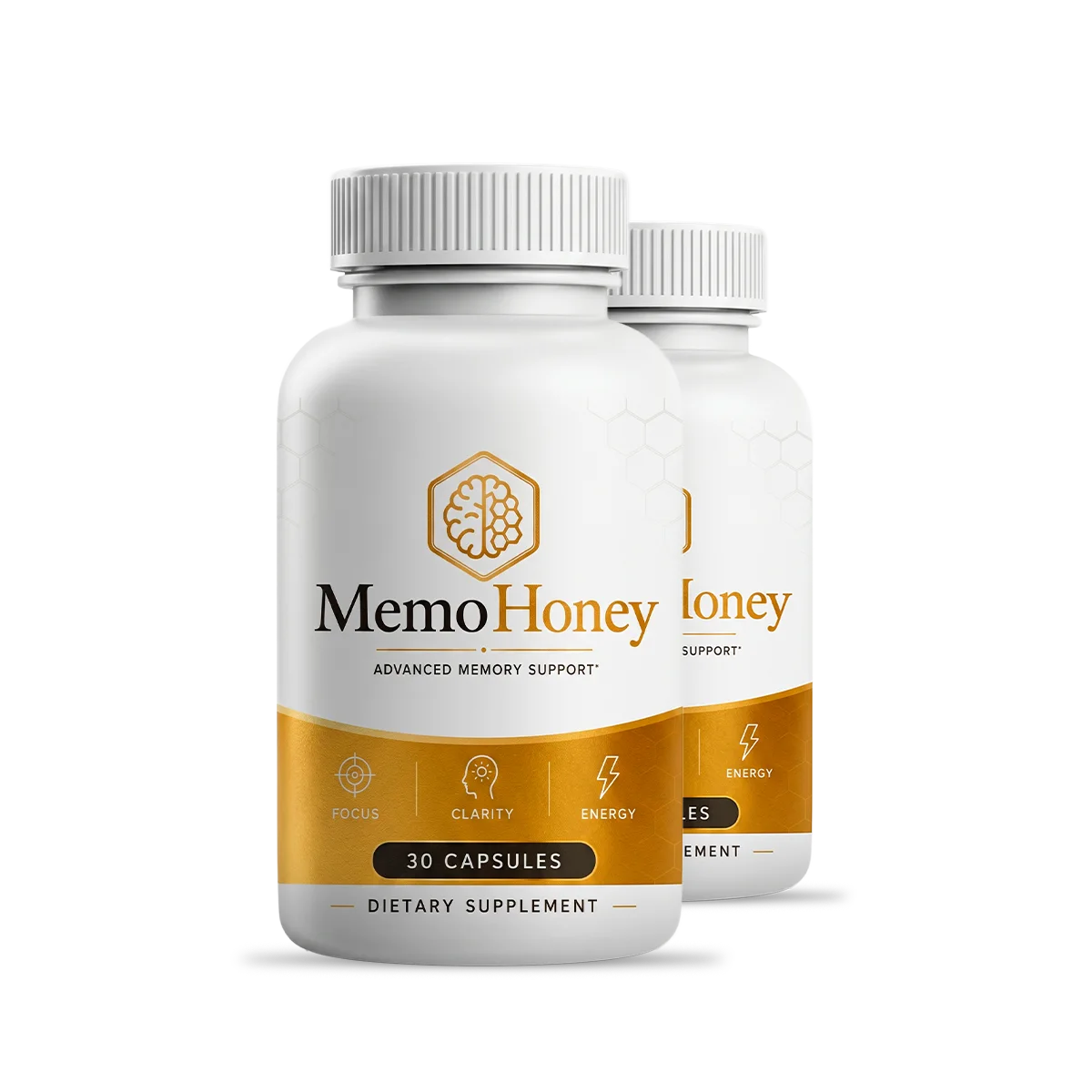
A transparent, stimulant-free label you can actually screen
MemoHoney is one capsule a day, no caffeine, no hidden blend — every ingredient and amount is disclosed on our main page next to the current official-store pricing and the 60-day money-back guarantee, so you can check it against your medications before you commit.
Get OfferFrequently asked questions
Do brain supplements have side effects?
Yes, though most are mild — an occasional headache, nausea, loose stools or trouble sleeping, usually dose-related. The ones that matter more are the interactions. Ginkgo and phosphatidylserine can have a mild blood-thinning effect, huperzine A is pharmacologically active and can interact with certain medications, and stimulant-containing formulas can raise heart rate and blood pressure. Read the label, start at the lowest dose, and treat 'natural' as a description of origin, not a guarantee of zero risk.
Can I take them with blood thinners?
Not without your doctor's sign-off. Several popular brain-supplement ingredients — ginkgo biloba, high-dose omega-3 fish oil, and phosphatidylserine among them — can have mild anticoagulant or antiplatelet effects. Stacked on top of a prescription blood thinner such as warfarin, or antiplatelet drugs, that overlap can raise bleeding risk. If you take any anticoagulant or antiplatelet medication, or have surgery scheduled, clear any brain supplement with your prescriber before starting it.
Are nootropics safe alongside medications?
It depends entirely on the ingredient and the medication, which is exactly why you cannot assume it. Huperzine A can interact with cholinergic and some psychiatric medications; ingredients with blood-thinning effects interact with anticoagulants; and vasodilators like L-arginine and L-citrulline can add to the effect of blood-pressure drugs, nitrates and erectile-dysfunction medication. The safe default when you take any prescription drug is to show the full ingredient list to your doctor or pharmacist before combining them.
Who should avoid brain supplements?
People who are pregnant or breastfeeding should generally avoid them unless a clinician advises otherwise, because safety data in those groups is limited. So should anyone before surgery, and — without medical guidance — anyone on anticoagulants, psychiatric medication, blood-pressure drugs or other prescriptions that the ingredients could interact with. Children, and anyone with a diagnosed medical condition, should only use a brain supplement under a doctor's direction rather than on their own.
References
- National Center for Complementary and Integrative Health (NIH) — Ginkgo.
- U.S. Food & Drug Administration — Mixing Medications and Dietary Supplements Can Endanger Your Health.
- MedlinePlus (NIH) — Huperzine A: uses, interactions and cautions.
- NIH Office of Dietary Supplements — Omega-3 Fatty Acids fact sheet.
- National Center for Complementary and Integrative Health (NIH) — Dietary and Herbal Supplements safety overview.